
What is a Hydropower Plant (PLTA)?
A Hydropower Plant (PLTA) is a power plant that utilizes the kinetic and potential energy of water to generate electricity. The working mechanism of a PLTA involves channelling water through a turbine, which then drives a generator to produce electrical energy. PLTA is a renewable energy source that is environmentally friendly, as it does not emit carbon emissions during the electricity generation process.
PLTAs can be categorized based on their capacity as follows:
Potential of PLTA in Indonesia
Indonesia has significant potential for PLTA development due to its many large rivers and high rainfall levels. Some key potential aspects of PLTA in Indonesia include:
Impact of PLTA Development
The development of Hydropower Plants (PLTA) has various impacts, both positive and negative. From a positive perspective, PLTA provides a clean and renewable energy source that can reduce dependence on fossil fuels and lower carbon emissions. Additionally, PLTA dams contribute to water resource management, including flood control, irrigation water supply for agriculture, and clean water supply for communities. PLTA projects also create economic opportunities by generating employment during both the construction and operational phases, thus stimulating economic growth in surrounding areas. However, from a negative perspective, PLTA development also poses environmental and social challenges. Changes in river flow can disrupt ecosystems and aquatic life, while the construction of dams often requires large-scale land clearing, leading to deforestation and habitat loss for wildlife. Additionally, sedimentation in reservoirs can reduce dam capacity over time.
From a social standpoint, PLTA projects often necessitate the relocation of residents living near the construction area, potentially causing social conflicts and disrupting livelihoods, especially for communities that rely on rivers, such as traditional fishermen. Moreover, the cost of building a PLTA is very high and requires several years before becoming fully operational. Disaster risks are also a concern, as dam failures or breaches can cause large-scale flooding, potentially resulting in loss of life and significant economic damage.
Therefore, although PLTA offers various benefits, thorough planning and a comprehensive environmental impact assessment are crucial to minimizing negative risks.
OUR ROLES
PT Pemberesan Aset Bersama has assisted foreign investors interested in investing in the PLTA sector, facilitating licensing processes and ensuring smooth operational implementation.
We also aim to involve local communities in identifying potential locations for PLTA development and collaborating during the construction process by providing employment opportunities, training programs, road construction, and other infrastructure improvements.
Sustainability Considerations
In constructing and managing a Hydropower Plant (PLTA), PT Pemberesan Aset Bersama must ensure sustainability across various dimensions, including sustainable development, environmental, social, and economic aspects.
From a sustainable development perspective, the company must ensure that the project adheres to energy efficiency principles, responsible natural resource utilization, and considers long-term impacts on communities and ecosystems. The PLTA must be designed with modern technology to ensure efficiency and longevity while adopting maintenance systems that support long-term operational sustainability. Proper planning regarding land use, supporting infrastructure, and climate adaptation is essential to ensure the project operates optimally without disrupting ecological balance.
From an environmental standpoint, PT Pemberesan Aset Bersama must manage the ecological impact of dam construction and river flow alterations. Mitigation efforts such as creating fish migration pathways, reforestation around reservoirs, and monitoring water quality must be implemented to preserve biodiversity and maintain ecosystem balance. Additionally, waste and sedimentation management in reservoirs should be carried out sustainably to maintain optimal reservoir capacity without disrupting river ecosystems. A thorough environmental assessment should be conducted before the project begins to ensure that negative impacts are minimized and potential ecological damage is prevented.
From a social perspective, PLTA development must involve local communities at every planning stage to ensure project acceptance. If community relocation is required, PT Pemberesan Aset Bersama must provide fair solutions, such as adequate compensation, relocation housing, and skill development programs for affected residents. Furthermore, the company can collaborate with local communities in economic empowerment programs, such as ecotourism development around the reservoir, sustainable fishing, and micro-enterprise development to support local economic growth.
From an economic perspective, the PLTA project can drive growth by creating employment opportunities during both construction and operational phases. PT Pemberesan Aset Bersama can also establish partnerships with local industries and businesses for construction services and material supply, ensuring broader economic benefits. Additionally, the electricity generated from PLTA can improve the reliability of the national power grid, reduce dependence on expensive fossil fuels, and provide more stable electricity access for surrounding communities and industries. With sustainable investment strategies and good governance, this project can serve as a successful example of utilizing green energy for long-term economic development.
This comprehensive approach ensures that the development and management of PLTA by PT Pemberesan Aset Bersama not only provide energy benefits but also create positive and sustainable social, economic, and environmental impacts for future generations.
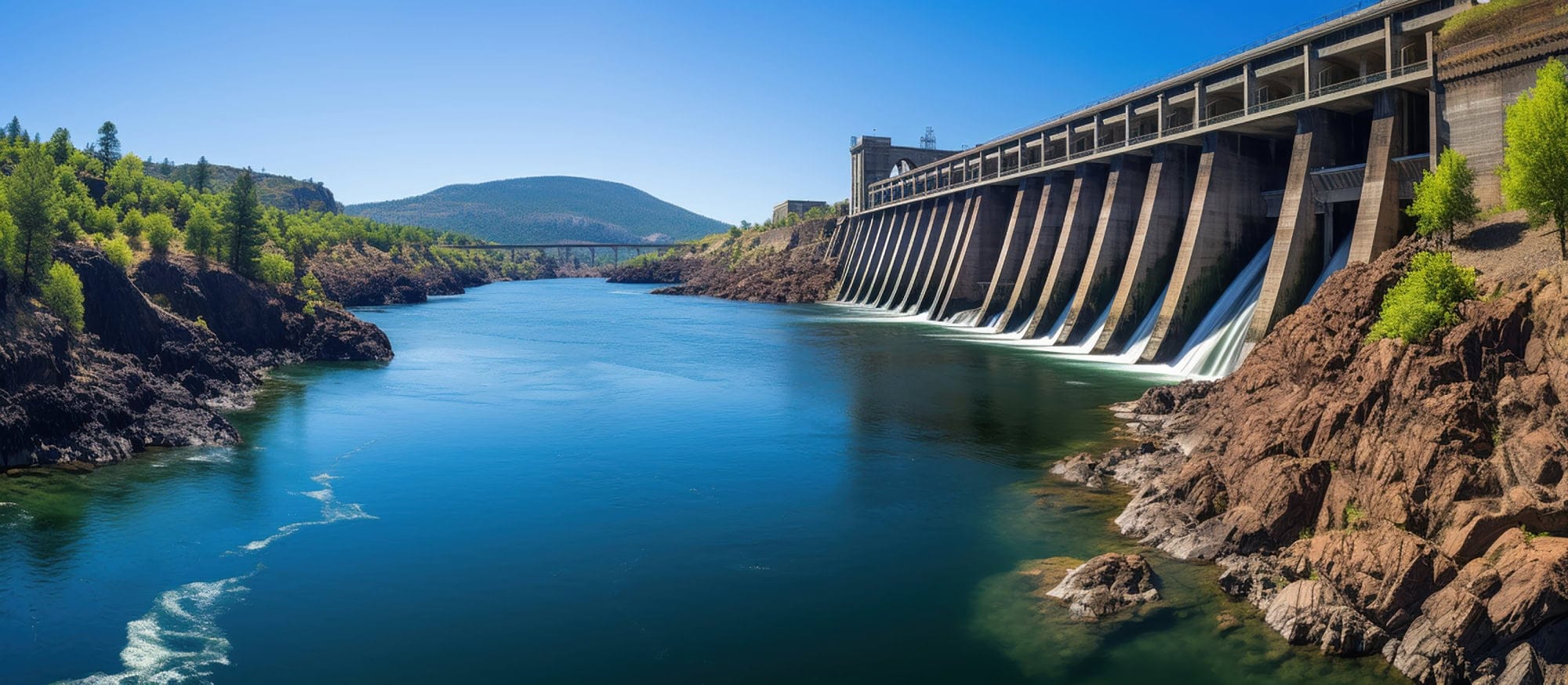
Location: Luwu Utara Regency and Mamuju Regency(Cross-Province Project) Status: Currently

Location: Tabang Lama Village, Kutai Kartanegara Regency, East Kalimantan Land
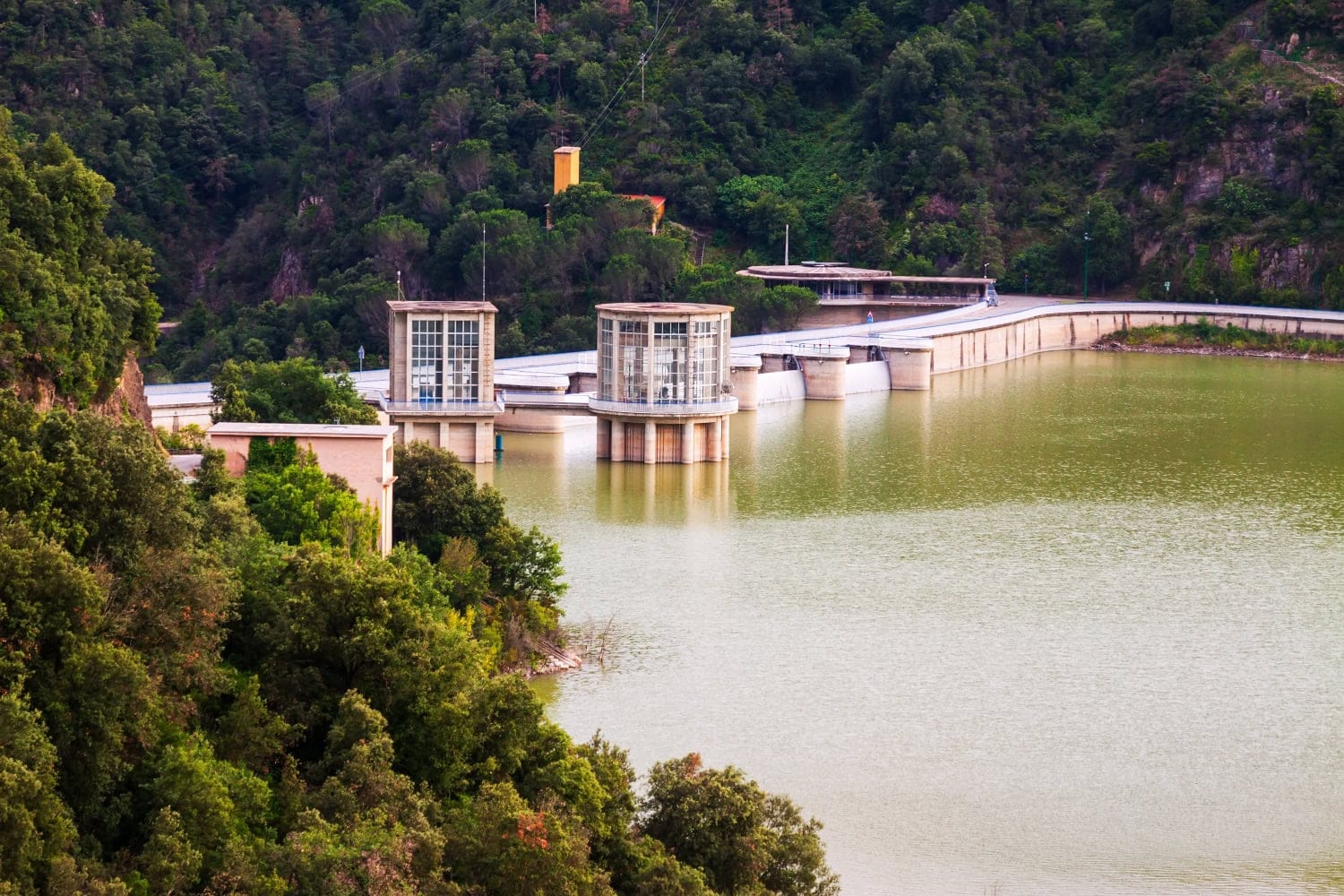
Location: Tabang Lama Village, Kutai Kartanegara Regency, East Kalimantan Land
PT Pemberesan Aset Bersama & PT Advokasi Rencana Suksesindo are the business management consulting company specializing in business development, particularly in Hydropower Plants (“PLTA”) and bauxite mining for alumina production, specifically for battery manufacturing
Copyright © PT Advokasi Rencana Suksesindo. Alright Reserved